Event Marketing
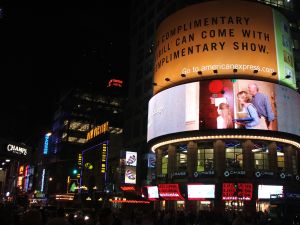 Steps involved in creating a promotional campaign for your event
Note: Before creating a promotional campaign get the basic idea of some business and marketing terms.
Step 1: Setup advertising objectives.
Why you want to advertise? What is your objective of advertising? What do you want to get through advertising? For e.g
- You want to advertise to create awareness
about your event.
- You want to advertise to get sponsors and clients
for your events
- You want to advertise to thank you your sponsors and
clients.
Step 2: Decide your promotional Activities
How you are going to promote your event company, your organizers, your sponsors, your clients and your partners, pre-event, at-event and post-event. Before I go any further, let's get an idea of what is media and what is media vehicle.
Media refers to various means of communications. Broadly speaking there are five categories of media: Print, Electronic, outdoor, Transit and Miscellaneous media. Print media includes: newspapers, magazines, press releases, tickets, passes, invitations, banners, posters etc. Electronic media includes TV, Radio, Internet, Telephone, electronic signage etc. Outdoor Media includes Hoardings, Billboards, and Balloons etc. Transit Media includes promotion through cars, cabs, buses, trucks, trains, planes etc. Miscellaneous media includes everything else like: events, word of mouth publicity etc.
Media vehicle is a specific medium. For e.g. if 'Internet' is media, then MySpace, Facebook, Twitter, Google, Yahoo etc are media vehicles. If 'TV' is a media, then specific TV program like 'Celebrity Apprentice' is a media vehicle. Similarly if magazine is a media, then specific magazine say 'playboy' is a media vehicle.
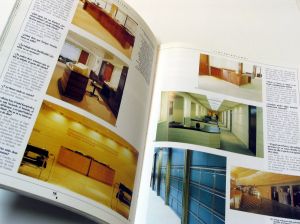 How Print Media can be used for Promotion
1. Promote your event, sponsors and clients through newspapers ads, magazines ads, trade journals, press releases, tickets, passes, invitations, banners and posters.
2. Imprint you sponsor/client's company name and logo on your staff's shirts and caps and on the pens, diary, gifts, exhibitors' manual and other promotional materials.
How Electronic Media can be used for Promotion
1. Promote your event, sponsors and clients through TV and Radio Commercials
2. Provide free ad space on your company's website where your sponsors and clients can promote their products and services for particular period of time.
3. Develop an event website just to promote your upcoming event and provide a facility for online registration. All the details regarding the event must be available on the website. For e.g. if your event name is say 'spark2009', then come up with a website like www.spark2009.com
4. Use electronic signage like visual display signage, Plasma Screen, LCD Screen, LED Screen, Projection Screen, Video Walls etc to promote your sponsors and clients.
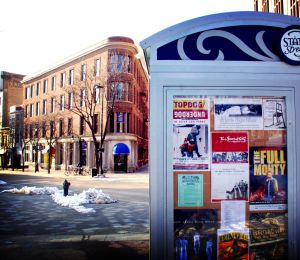 How Outdoor Media can be used for Promotion
1. Promote your event, sponsors and clients through billboards and hoardings ads. A very large hoarding is known as the billboard. There are two types of billboards: Scrolling message billboard and mobile billboard. Hoardings can also be front lit, back lit, painted, poster, mono pole, unipole and tri-vision.
2. You can also do promotion through Kiosk, Canopy, Flex and giant balloons.
How Transit Media can be used for Promotion
1. Road Shows are generally used in transit media.
2. Mobile billboards, mobile LED Display and caravan
can also be used for promotion.